Blog
Signs Your Trees Need Pruning
Published
Jul 5, 2025
Category
Guides
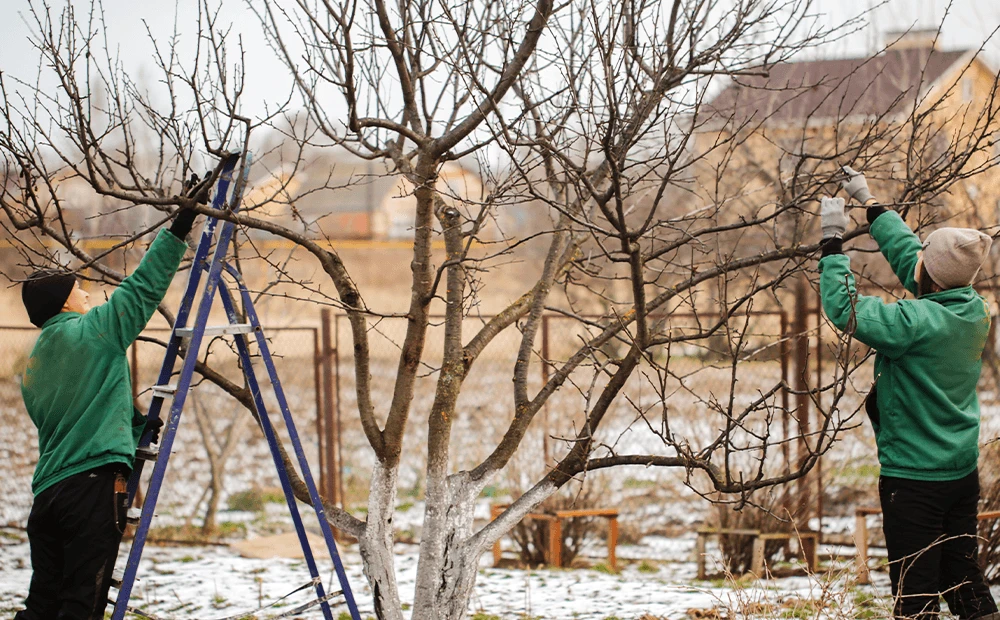
Tree pruning is a simple maintenance task that packs a big punch. It improves tree structure and safety, controls tree size, repairs storm damage, and provides clearance for structures and traffic. Beyond public safety, pruning also helps tree health by removing diseased, dying, or dead branches.
Signs Your Trees Need Pruning (And Why It Matters)
Trees are beautiful, valuable assets — but without the right care, limbs can become hazards or health drains. Knowing the signs that a tree needs pruning helps protect your property, your safety, and the long-term health of your landscape.
Here’s what to look for.
1. Crossing or Rubbing Branches
When branches rub against each other, they create wounds in the bark. These open “entry points” invite pests and disease and slow the tree’s healing process.
What this means: Trees with crossing limbs often need selective pruning to improve airflow and reduce stress points.
2. Dead or Dying Branches
Dead wood is easy to spot — it’s brittle, leafless during growing season, and often gray or discolored. These branches are more likely to break and fall during storms.
What this means: Removing dead wood prevents unpredictable breakage and protects people, structures, and vehicles.
3. Suckers and Water Sprouts
These fast-growing, weak shoots often grow straight up from the base (suckers) or from older branches (water sprouts). They consume energy without adding structural value.
What this means: Pruning these out boosts overall tree energy and encourages healthier growth patterns.
4. A Dense, Unbalanced Canopy
If the canopy is thick and “bushy,” light and air can’t reach inner branches. This creates a damp, disease-friendly environment and hides weak limbs that could fail.
What this means: Thinning the canopy improves sunlight penetration, strengthens structure, and reduces storm stress.
5. Structural Weakness or Trunk Defects
Look for cracked bark, hollowed sections, conjoined trunks that pinch together (included bark), or large limbs that attach poorly.
What this means: Trees with structural flaws may need corrective pruning or professional evaluation to reduce risk.
6. Leaning Trunks or Root Issues
A slight lean isn’t always a concern, but a sudden or extreme lean — especially with soil upheaval — could indicate root instability.
What this means: Leaning trees may need pruning to rebalance weight, or even a full assessment for removal.
7. After Storms or High Winds
Storms can crack branches, strip foliage, and weaken trees. Even if damage doesn’t look severe, unseen internal breaks can make limbs unstable.
What this means: Post-storm pruning ensures hazard removal and protects both the tree and your property.
8. Proximity to Structures or Utilities
Branches that grow close to your home, power lines, roof, or fences pose hazards and invite costly damage.
What this means: Strategic pruning maintains safe clearances and reduces risk from wind and growth pressure.
Why Pruning Matters
Pruning isn’t just cosmetic — it plays several crucial roles:
Improves Tree Health
Removing diseased, dead, or overcrowded branches helps the tree allocate energy where it’s needed most.
Reduces Safety Risks
Dead limbs and weak structures are major causes of property damage and injury.
Promotes Structural Strength
Correct pruning encourages strong branch attachments and healthy growth patterns.
Enhances Curb Appeal
Well-pruned trees look tidy and can improve the value and appearance of the entire property.
When to Call a Professional
Some pruning jobs are simple — others can be dangerous or complex. Contact a trained tree care professional when:
The pruning is above shoulder height
Large limbs need removal
Trees are near structures, power lines, or sidewalks
You’re unsure about tree health or risk
At ArborMed, our crews are trained to evaluate trees safely and recommend the right pruning approach based on species, structure, and risk level.
Safety First
Tree pruning involves tools and heights that can be dangerous without proper training and equipment. Professionals bring:
✔ Safety gear and rigging systems
✔ Knowledge of tree biology and growth patterns
✔ Proper cleanup and risk mitigation
Pruning the wrong limbs at the wrong time can harm the tree or create long-term issues — so don’t take chances.
Conclusion
Recognizing the signs that trees need pruning protects your property and keeps your landscape healthy and beautiful. Whether you have a single shade tree in your yard or a portfolio of commercial properties with extensive canopy coverage, knowing when to prune — and when to call the pros — is essential.
Need a tree inspection or pruning estimate? Contact ArborMed today. We help residential, commercial, and municipal clients keep trees safe, healthy, and well-managed.
What’s better than insider perks, pro tips, and surprises?
Sign up to get the most recent blog articles in your email every week.
Other Blogs